How to Keep Your Car’s AC Efficient During Long Summer Drives: Tips from an Auto Repair Shop in Albuquerque
Long summer drives in Albuquerque place sustained pressure on your vehicle’s air conditioning system. High temperatures, direct sunlight, and prolonged highway travel force the compressor and cooling components to work continuously. Drivers may notice weak airflow or reduced cooling only after long trips. Minor issues such as low refrigerant or restricted airflow often become more pronounced under desert driving conditions.
At
Mango Automotive, we help drivers prepare their vehicles for extended summer travel with thorough AC inspections and diagnostics. As a trusted provider of
auto repair in The Heights, Albuquerque, our team evaluates refrigerant levels, airflow performance, and component condition before small concerns turn into major repairs. Proactive service supports consistent cooling, improved efficiency, and dependable comfort throughout long summer drives.

Why Long Summer Drives Put Extra Stress on Your Vehicle’s AC System
Continuous Compressor Operation on Highways
Long highway drives force the AC compressor to operate for long durations without normal cooling breaks. When driving at steady highway speeds, the air conditioning system works continuously to maintain cabin temperature. Unlike short city trips, there are fewer opportunities for the system to cycle off. This sustained operation increases internal pressure and heat within the compressor.
Extended compressor operation increases wear on bearings, seals, and the clutch assembly over time. The U.S. Department of Energy reports that using air conditioning adds load to the engine, which can
increase fuel consumption. During prolonged highway driving in high temperatures, minor system issues may become more noticeable. Slightly low refrigerant levels, restricted condenser airflow, or marginal cooling fan performance can reduce cooling stability after extended operation
Desert Heat and Engine Bay Temperatures
High desert temperatures raise refrigerant pressure and increase stress on AC components. In Albuquerque, summer air temperatures frequently exceed 90°F. Pavement temperatures can climb much higher, adding radiant heat beneath the vehicle. This environment makes it harder for the condenser to release heat efficiently.
Higher outside temperatures cause refrigerant pressure to increase. Elevated pressure places strain on hoses, seals, and fittings. Repeated expansion and contraction during hot days can lead to small leaks over time. Engine bay heat also affects belts and compressor function. Vehicles parked outdoors for extended periods or driven in stop-and-go traffic may begin operating with already elevated internal temperatures. A professional inspection at an
auto repair shop in Albuquerque can confirm whether system pressures remain within safe limits before long trips.
Dust Exposure in Dry Climates
Airborne dust reduces airflow and lowers cooling efficiency over time. Dry climates in Albuquerque produce fine particles that enter the ventilation system. These particles accumulate in the cabin air filter and on the condenser surface. Restricted airflow limits the system’s ability to transfer heat effectively.
A clogged cabin air filter reduces the volume of cool air entering the cabin. This forces the blower motor to work harder and may weaken the vent output. Dust buildup on condenser fins also reduces heat dissipation, which lowers overall cooling performance. Drivers commuting through construction zones or parking near unpaved areas may experience faster buildup. Routine AC inspections help detect airflow restrictions before they affect long summer drives.
How Your Automotive AC System Maintains Cabin Cooling
Refrigeration Cycle
Your vehicle’s AC system cools the cabin by moving refrigerant through a closed loop that removes heat from the interior and transfers it outside the vehicle. The closed-loop cycle includes compression, condensation, expansion, and evaporation to regulate temperature.
The compressor pressurizes refrigerant gas, raising its temperature. The condenser then releases that heat to the outside air and converts the gas into liquid. After passing through an expansion valve, the refrigerant cools rapidly and enters the evaporator. Inside the evaporator, it absorbs cabin heat before cycling back to the compressor. Low refrigerant levels reduce cooling performance and increase compressor strain.
Compressor, Condenser, and Evaporator Functions
The compressor increases pressure, the condenser releases heat, and the evaporator cools cabin air. Each component depends on stable pressure and steady airflow.
The compressor is belt-driven by the engine. Wear in the clutch or bearings can reduce output. The condenser, located near the radiator, requires unobstructed airflow. Dust or bent fins reduce heat exchange. The evaporator sits inside the dashboard and cools the air before it enters the vents.
If the cabin air filter is clogged, airflow across the evaporator drops. This reduces cooling strength and increases blower motor workload. Many car repair shops diagnose these issues by checking system pressure and inspecting airflow restrictions.
Connection Between the AC and Engine Cooling Systems
The AC system adds heat load to the engine, making proper engine cooling necessary for consistent cabin comfort. When the AC operates, engine demand increases, raising under-hood temperatures.
The radiator and cooling fans remove engine heat, while the condenser releases refrigerant heat. Both rely on airflow at the front of the vehicle. A failing cooling fan or low coolant level can affect AC output. Evaluating both cooling systems together is recommended to avoid incomplete repairs.
Preventive Steps Before Taking a Long Summer Drive
Testing Cooling Performance
Stable AC systems maintain consistent vent temperatures at both idle and highway speeds. Performance should not vary widely between stop-and-go traffic and steady driving. Most properly functioning systems deliver vent temperatures between 40–55°F when outside temperatures are near 90°F.
If cooling becomes warmer at idle but improves while driving, reduced condenser airflow or weak cooling fan operation may be involved. If cooling declines after extended highway travel, refrigerant imbalance or compressor wear may be contributing factors. Catching these issues early gives you the chance to arrange auto repair near you before they turn into bigger problems.
Inspecting Cabin Air Filter, Belts, and Hoses
Cabin air filters, drive belts, and AC hoses directly affect airflow, pressure stability, and cooling efficiency. When these components deteriorate, AC performance often declines during extended summer driving.
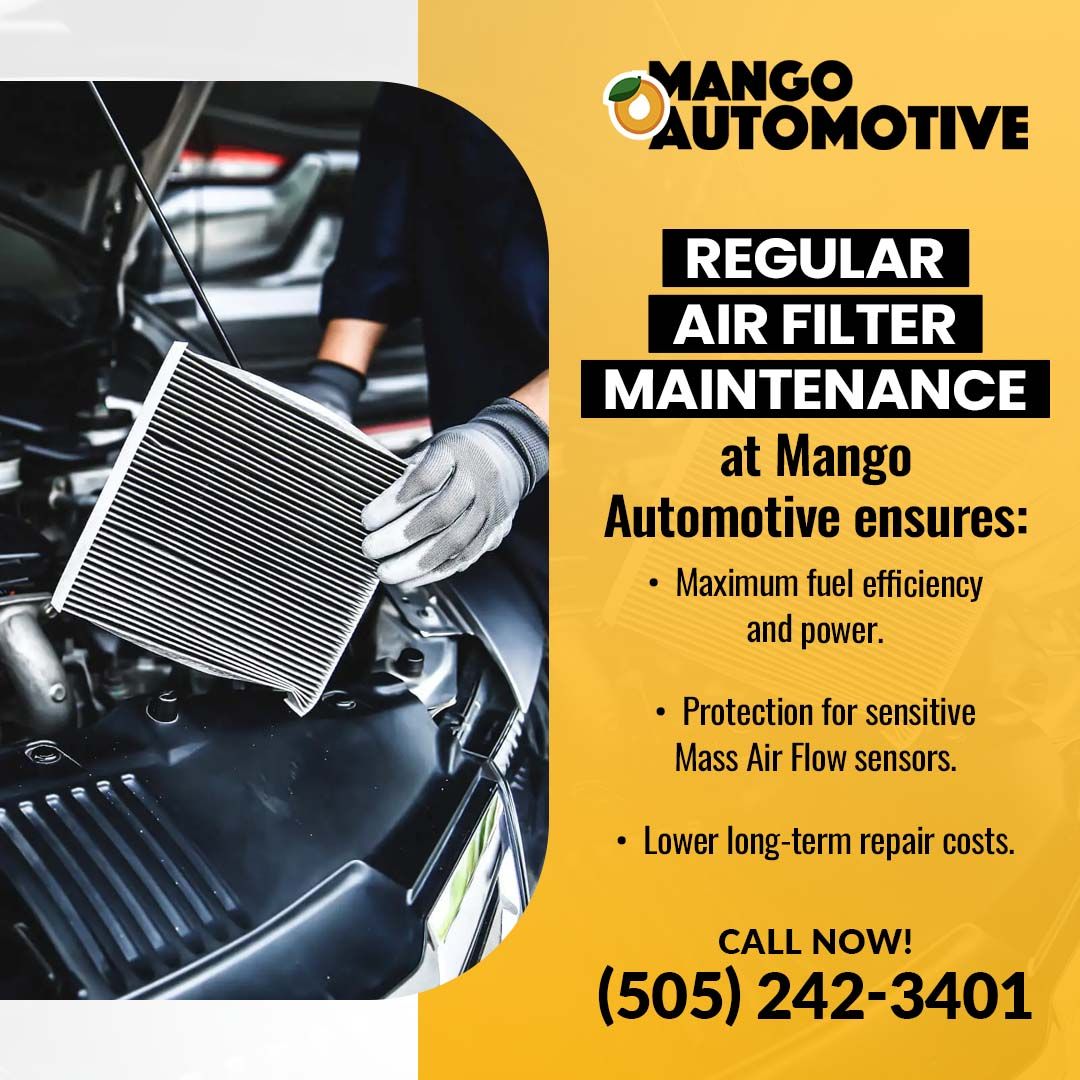
A clogged cabin air filter restricts airflow across the evaporator core, reducing cooling output and increasing blower motor strain. Most manufacturers recommend replacement every 12,000 to 15,000 miles. In dry climates like Albuquerque, dust accumulation may shorten that interval.
Drive belts that power the compressor can crack, fray, or glaze over time. Slipping belts reduce compressor efficiency and cooling consistency. AC hoses must remain sealed and free from oil residue, which can indicate refrigerant seepage. During professional inspections,
car repair shops evaluate these components together to maintain stable system performance.
Checking Refrigerant Levels and System Pressure
Verify refrigerant levels and system pressure using proper diagnostic tools before long summer drives. Automotive AC systems operate within specific high-side and low-side pressure ranges. Pressure that falls outside manufacturer specifications reduces cooling and increases component wear.
Low refrigerant commonly results from small leaks at seals or fittings. EPA guidelines state that refrigerant loss reduces cooling performance and requires proper recovery and recharge procedures to comply with environmental regulations. Overcharging the system can also raise pressure beyond safe limits. Having the AC pressure checked at a local auto repair shop in Albuquerque ensures your system runs smoothly and your car stays cool on extended trips.
Listening for Early Mechanical Warning Signs
Unusual sounds from the AC system usually signal mechanical wear that worsens under sustained operation. Clicking noises when the AC engages may indicate clutch wear. Squealing sounds can point to belt tension issues. Grinding noises may suggest compressor bearing damage.
Drivers may also notice uneven cooling or intermittent airflow. These symptoms often appear before full system failure. Addressing early warning signs lowers the chances of a roadside breakdown during high-temperature travel. Connecting sound changes with performance issues helps identify problems that routine visual checks may miss.
Driving Habits That Help Maintain AC Efficiency on Extended Trips
Reducing Initial Cabin Heat Before Full AC Activation
Release trapped heat before setting the AC to maximum. Open doors or lower windows briefly to allow superheated air to escape. Cabin temperatures can exceed 130°F after parking in direct sun. Begin driving with windows slightly open for a short distance. This lowers internal heat load before full AC demand. Gradual cooling reduces compressor strain during long drives.
Strategic Use of the Recirculation Mode
Switch to recirculation mode after the cabin begins cooling. Recirculation reuses cooled interior air instead of pulling in hot outside air. This reduces evaporator workload and improves cooling stability. Alternate with fresh air mode if the windows fog or airflow feels stale. Proper airflow control supports steady system pressure and fuel efficiency.
Managing Solar Heat Load During Travel
Limit direct sunlight inside the cabin to reduce AC workload. Use a windshield sunshade when parked and choose shaded parking where possible. Interior surfaces exposed to the sun can exceed 150°F. Window tinting that meets New Mexico regulations can also reduce heat entry. Lower solar heat reduces condenser demand and supports consistent performance during extended travel.
Warning Signs That Indicate It’s Time for Professional Car AC Repair in Albuquerque
Cooling That Weakens After Several Hours
Cooling that weakens during extended driving can point to low refrigerant levels or compressor wear. AC systems are designed to maintain consistent vent temperatures, even after several hours of highway driving. If air becomes warmer over time, system pressure may be drifting outside manufacturer specifications.
Extended operation can expose small refrigerant leaks or internal compressor wear. As pressure changes, cooling capacity drops. Drivers who experience a gradual performance decline during long summer trips often require system pressure testing and leak inspection at an auto repair shop in Albuquerque.
Airflow That Drops During Idle
Weak airflow at idle may signal condenser fan issues or airflow restrictions. When a vehicle is stationary, airflow depends heavily on electric cooling fans. If a fan motor underperforms, condenser heat dissipation decreases.
Restricted airflow can also result from a clogged cabin air filter. Reduced airflow lowers evaporator efficiency and weakens vent output. Many car repair shops diagnose this issue by checking fan operation and inspecting intake components.
AC That Works Only at Higher Speeds
An AC that cools properly only while driving often points to cooling fan or condenser problems. At highway speeds, natural airflow across the condenser improves heat transfer. When the vehicle stops, that airflow disappears.
If cooling drops quickly in traffic but returns while moving, a condenser fan malfunction or debris blockage may be present. This pattern connects airflow efficiency directly to system pressure stability.
Persistent Odors From Vents
Unusual odors from vents often indicate moisture buildup or microbial growth in the evaporator housing. Condensation naturally forms during AC operation. If drainage becomes restricted, moisture can accumulate inside the housing. This environment may produce musty smells during startup. Replacing the cabin air filter and cleaning the evaporator core often corrects the issue.
Professional AC Diagnostics at Mango Automotive
Refrigerant Pressure Testing
Refrigerant pressure testing confirms whether the AC system is operating within manufacturer specifications. Refrigerant pressure testing helps keep your AC running efficiently. At Mango Automotive, we provide full-service auto repair in The Heights, Albuquerque, making sure your system maintains the right pressure and performance.
Pressure outside recommended ranges reduces cooling and increases component wear. Low pressure may indicate leaks, while high pressure may point to airflow restrictions or overcharging. Accurate pressure readings help guide auto repair before major component failure occurs.
Leak Detection Procedures
Leak detection identifies refrigerant loss that weakens cooling performance over time. Even small leaks can reduce efficiency and strain the compressor during extended summer drives.
At Mango Automotive, our technicians inspect the AC system for leaks and ensure refrigerant is handled safely according to
EPA guidelines. Identifying leaks early helps maintain stable system pressure and prevents the need for repeated service visits. The EPA requires proper refrigerant recovery during service to prevent environmental release. Identifying leaks early prevents repeat recharge visits and supports stable system pressure.
Compressor and Cooling Fan Evaluation
Compressor and cooling fan testing verifies mechanical performance under load. The compressor clutch must engage smoothly without slipping or noise. Irregular cycling patterns may indicate pressure imbalance or electrical faults. Cooling fans must operate at the correct speed to maintain condenser airflow, especially at idle. We evaluate these components during AC diagnostics to support consistent cabin cooling during long summer drives.
Planning Ahead for Reliable Summer Driving Comfort
Timing Preventive AC Inspections
Schedule AC inspections before peak summer temperatures to detect issues under controlled conditions. Early inspections allow technicians to measure refrigerant pressure, inspect belts, and verify cooling fan operation before extended highway travel. Inspecting the system in late spring or early summer allows time for repairs without travel disruption.
Reducing Risk of Mid-Trip Breakdowns
Preventive AC service lowers the chance of overheating and system failure during long trips. Continuous compressor operation increases engine load, especially in high desert climates like Albuquerque. AC performance depends on both refrigerant balance and engine cooling stability. Addressing minor issues such as weak cooling fans or low refrigerant reduces the risk of performance loss during highway travel.
Choosing an Auto Repair With Local Experience
Choosing the right auto repair near you can make a big difference in maintaining AC efficiency and avoiding problems during long summer drives. Local climate factors such as high UV exposure, dust accumulation, and extended highway travel affect AC system longevity.
An established auto repair shop in Albuquerque will evaluate refrigerant pressure, airflow, and engine cooling together. This connected approach supports accurate diagnosis rather than isolated part replacement. At Mango Automotive, our inspections reflect local temperature patterns and driving demands common in the area.

Schedule Your AC Inspection in The Heights, Albuquerque
Schedule your AC inspection today to avoid cooling issues during long summer drives in The Heights. Reliable cabin comfort depends on accurate diagnostics and timely service, especially in high desert temperatures.
Contact Mango Automotive at
(505) 299-5011 to book your AC performance check. Our team delivers professional auto repair in The Heights, Albuquerque, helping drivers maintain consistent cooling and reliable vehicle performance throughout the summer months.